Why Utilities Want You to Stay Dependent (And What That Means for Your Home)
In today’s rapidly evolving energy market, more homeowners are questioning why their electric bills keep rising. As inflation impacts nearly every sector, one area that continues to outpace expectations is residential electricity costs. At the center of this issue are utilities — the companies responsible for generating, transmitting, and delivering power to your home.
While utilities play a critical role in maintaining grid reliability and public safety, their financial model depends heavily on long-term customer dependence. Understanding how utilities operate — and how that affects your household energy costs — can help you make smarter decisions about your home’s future.
Why Utilities Prefer Long-Term Customer Dependence
Most investor-owned utilities operate under a regulated monopoly system. This means in many states you don’t get to choose your electricity provider. The structure was originally designed to ensure infrastructure stability and prevent overlapping power lines and grid chaos. However, it also limits competition.
When utilities have guaranteed customer bases, their revenue becomes predictable. The more electricity homeowners consume, the more revenue utilities generate. Even when usage declines, utilities often adjust rate structures to maintain profitability through delivery charges, grid fees, and infrastructure recovery costs.
Because utilities are allowed to request rate increases from regulatory commissions, they can pass along expenses tied to wildfire mitigation, grid modernization, renewable energy mandates, and transmission upgrades. While these investments may be necessary, the financial burden ultimately lands on homeowners.
For anyone searching online for “why is my electric bill so high,” “electricity rate increases,” or “how to lower utility bills,” the answer frequently traces back to how utilities design and adjust their pricing models.
How Utilities Structure Electric Bills to Maintain Revenue
Many homeowners focus only on the per-kilowatt-hour (kWh) rate, but utilities earn revenue from multiple billing categories:
- Electricity generation charges
- Transmission and distribution fees
- Time-of-Use (TOU) peak pricing
- Public purpose program surcharges
- Wildfire prevention surcharges
- Grid access fees
- Infrastructure upgrade costs
Even if you reduce consumption, utilities often shift more costs into fixed delivery fees. This ensures stable revenue regardless of individual household efficiency improvements.
Time-of-Use plans are another example. During peak hours — often late afternoon and early evening — utilities charge significantly higher rates. This pricing structure increases profit during high-demand windows and encourages behavioral shifts that benefit grid balancing. However, it also penalizes families who are naturally home during those peak hours.
If you’re researching “Time-of-Use electricity rates,” “utility delivery charges explained,” or “breakdown of electric bill,” you’re seeing firsthand how utilities maintain financial consistency through layered billing structures.
Utilities vs. Energy Independence: A Growing Tension
As residential solar panel installation, battery storage systems, and smart energy management become more common, utilities face a new challenge: homeowners producing their own electricity.
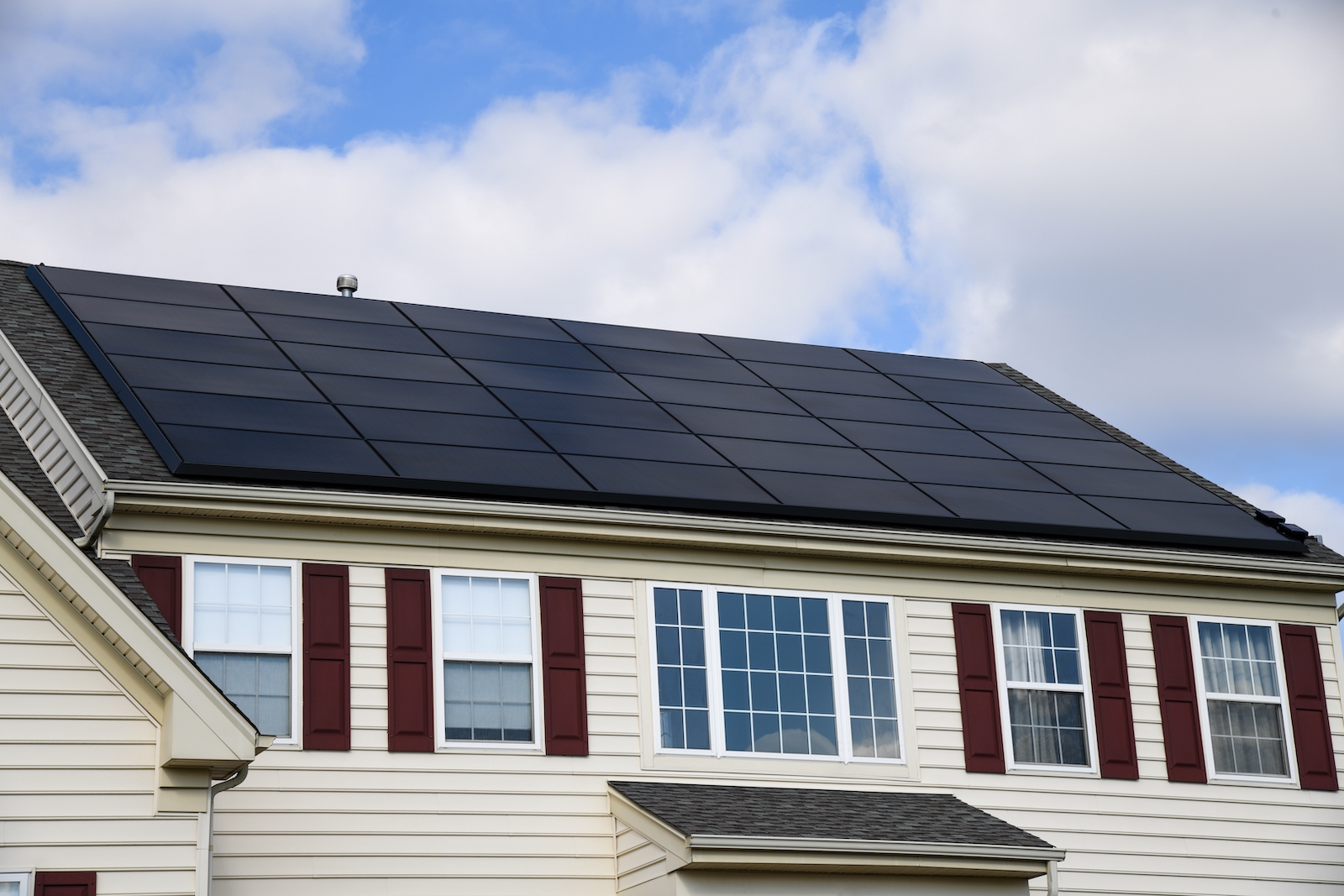
When you install solar panels, you reduce how much power you buy from utilities. When you add battery storage, you can avoid buying electricity during peak pricing periods. This directly impacts utility revenue.
In response, some utilities have adjusted net metering policies, reduced export compensation rates, or introduced grid participation fees. While utilities argue these changes ensure fairness for non-solar customers, critics believe they protect the traditional utility revenue model.
Energy independence options include:
- Residential solar systems
- Solar battery backup installation
- Whole-home energy storage
- Smart electrical panels
- High-efficiency HVAC upgrades
Each step reduces reliance on utilities and protects homeowners from unpredictable future rate increases.
The Long-Term Financial Impact of Utility Dependence
Historically, electricity rates have increased faster than the general rate of inflation in many regions. Utilities justify increases through infrastructure investments, wildfire hardening, renewable integration, and grid expansion projects.
But small annual increases compound significantly over time.
For example, a 6% annual rate increase can double your electricity costs in roughly 12 years. Over a 20-year span, homeowners may pay tens of thousands more to utilities compared to locking in predictable energy costs through solar financing or energy efficiency upgrades.
Additionally, reliance on utilities means vulnerability to:
- Rolling blackouts
- Public Safety Power Shutoffs (PSPS)
- Extreme weather grid failures
- Emergency rate hikes
Energy resilience is becoming just as important as energy savings. Solar paired with battery storage gives homeowners protection during outages and greater control over when and how they use power.
Why Utilities Are Cautious About Widespread Home Battery Storage
Home battery systems allow homeowners to store excess solar energy during the day and use it at night — especially during peak Time-of-Use hours when utilities charge the most.
From a homeowner perspective, this reduces peak-hour purchases and maximizes return on investment. From the utility perspective, it reduces high-margin peak demand revenue.
As battery adoption increases, utilities may implement demand charges or modify compensation programs to offset revenue losses. The more energy independence grows, the more utilities must adapt their business models.
What This Means for Your Home Moving Forward
Utilities are essential — they maintain the grid, respond to emergencies, and invest in long-term infrastructure. But their financial model is built around steady, predictable customer payments.
For homeowners, this creates an important decision:
- Continue paying rising utility rates year after year
- Or invest in energy solutions that reduce long-term exposure
Modern homeowners now have access to:
- Solar panel installation
- Battery storage systems
- Energy-efficient appliances
- Smart load management technology
- Home electrification upgrades
Each of these strategies reduces long-term dependence on utilities while improving property value and energy resilience.
Final Thoughts: Reducing Risk in a Utility-Controlled System
Utilities will always play a role in delivering electricity. The goal is not necessarily to eliminate utilities, but to reduce vulnerability to rising rates and policy changes.
If you’re concerned about:
- High electric bills
- Electricity rate increases
- Grid reliability
- Long-term home operating costs
- Energy independence
Then understanding how utilities operate is the first step toward financial protection.
The energy market is changing quickly. Utilities are evolving, but homeowners who act strategically today can position themselves for greater stability tomorrow. Reducing dependence on utilities isn’t just about saving money — it’s about gaining control over one of your home’s most significant long-term expenses.
Click Here To Read More! – PV Magazine