
Homeowners today are increasingly drawn to solar energy solutions, yet the decision to adopt them is rarely just financial. Emotional drivers, social influence, perceived control, and long-term thinking all play a role in shaping whether someone moves forward. Understanding these psychological factors can help explain why some households act quickly while others hesitate for years.
The Emotional Drivers Behind Solar Adoption
When people consider making a major home investment, emotions often outweigh logic. One of the strongest motivators is the desire for independence. Homeowners want to feel less vulnerable to rising utility costs and unpredictable rate increases. The idea of producing your own energy creates a sense of control that many find empowering.
At the same time, environmental values influence decisions. Many individuals are motivated by the belief that their choices should align with sustainability goals. Reducing carbon footprints and contributing to a cleaner future provides a sense of purpose that goes beyond financial savings.
Social Proof and Community Influence
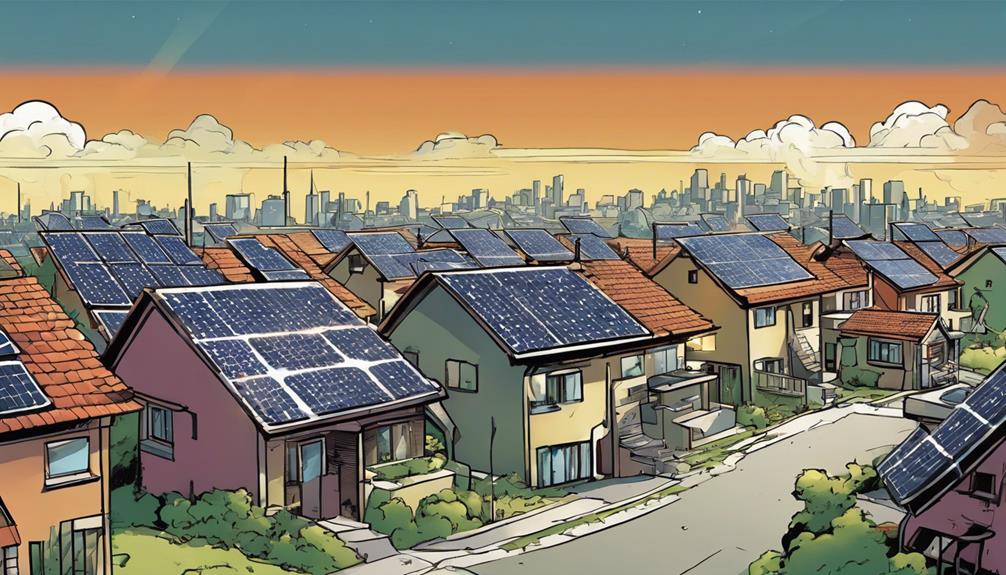
People are highly influenced by what others around them are doing. When neighbors, friends, or local communities adopt solar energy solutions, it normalizes the behavior and reduces perceived risk. Seeing visible installations on nearby homes often sparks curiosity and trust.
This phenomenon, known as social proof, plays a major role in adoption rates. Homeowners are more likely to act when they see others in similar situations making the same decision. It creates a sense that the choice is not only practical but also widely accepted.
Financial Perception vs. Reality
Although long-term savings are a major selling point, the way homeowners perceive costs can either accelerate or delay decisions. Upfront expenses may feel overwhelming, even when financing options or incentives are available.
Many people focus on immediate costs rather than lifetime value. However, those who take a long-term perspective are more likely to recognize the financial benefits over time. Framing the investment in terms of monthly savings rather than total system cost often shifts the decision-making process.
Overcoming Decision Paralysis
Too many options can lead to hesitation. Homeowners researching solar energy solutions may encounter conflicting information, technical jargon, or varying price estimates. This overload can result in decision paralysis, where individuals postpone action indefinitely.
Clear, simple explanations and transparent proposals help reduce uncertainty. When homeowners feel confident in their understanding, they are more likely to move forward without second-guessing their choice.
Trust and Credibility Matter
Trust is a critical factor in any major home investment. Homeowners tend to rely heavily on reviews, referrals, and company reputation. A lack of trust can quickly halt progress, even if the product itself is appealing.
Transparent communication, honest pricing, and reliable customer service all contribute to building credibility. When homeowners feel that a provider is knowledgeable and trustworthy, they are more comfortable committing.
The Role of Long-Term Thinking
Adopting solar energy requires a shift in mindset from short-term costs to long-term benefits. Individuals who are future-oriented tend to evaluate decisions based on cumulative value rather than immediate expense.
This mindset is often tied to life stage, financial stability, and personal priorities. Homeowners planning to stay in their property for many years are more inclined to invest, as they can fully realize the long-term advantages.
Why Hesitation Still Exists
Despite growing awareness, some homeowners remain hesitant due to uncertainty about maintenance, performance, or reliability. Misconceptions about system upkeep or fears of technological complexity can create unnecessary barriers.
Education plays a key role in addressing these concerns. When homeowners understand how systems operate and what to expect over time, many of the perceived risks diminish significantly.
Conclusion
The decision to adopt solar energy is shaped by a combination of emotional, social, and financial factors. While cost and savings are important, psychological influences such as trust, control, and social proof often determine whether a homeowner takes action.
By understanding these motivators and barriers, it becomes easier to see why some people move forward quickly while others take longer to decide. Ultimately, the shift toward solar energy is not just a technological transition—it’s a human one driven by perception, confidence, and mindset.