How Long Do Solar Panels Really Last? (And What Degrades Over Time)
If you’re considering investing in solar for your home, one of the most important questions you’ll ask is: How long do solar panels really last? After all, installing a residential solar energy system is a major financial decision. Homeowners want to understand panel lifespan, degradation rates, long-term energy savings, and overall return on investment.
The good news? Modern solar technology is built to last decades — but like any equipment, it experiences gradual wear and performance decline over time. Let’s break down exactly what that means for your home energy system.
How Long Do Solar Panels Last on Average?
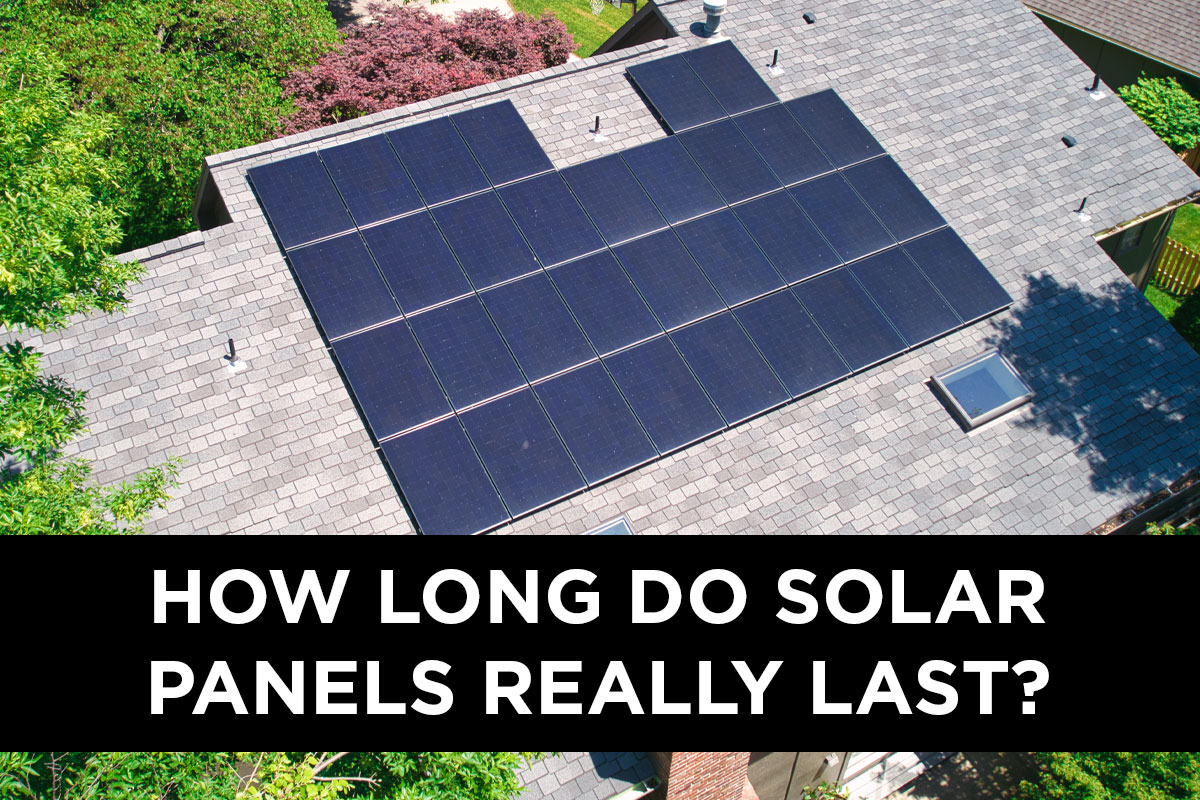
Most modern panels are designed to last 25 to 30 years or more. In fact, many manufacturers offer a 25-year performance warranty, guaranteeing the system will still produce a high percentage of its original output decades after installation.
However, here’s what many homeowners don’t realize: the panels don’t suddenly “stop working” after 25 years. Instead, they slowly lose efficiency each year due to natural degradation.
High-quality monocrystalline panels typically degrade at a rate of about 0.3% to 0.8% per year. That means after 25 years, the system may still operate at 80–90% of its original production capacity. This makes photovoltaic systems one of the longest-lasting energy upgrades available for a home.
If you live in a sunny state like California, Arizona, Texas, or Florida, your system may generate even more lifetime energy due to higher solar irradiance levels — increasing your total long-term savings.
What Causes Solar Panels to Degrade Over Time?
While PV modules are extremely durable, several environmental and technical factors contribute to gradual performance decline.
1. UV Exposure and Weather Conditions
Panels are constantly exposed to ultraviolet radiation, temperature swings, rain, wind, and occasionally hail. Over time, UV exposure can slowly break down materials within the photovoltaic cells.
Extreme heat can also impact efficiency. Higher temperatures reduce voltage output, meaning the system may produce slightly less electricity during very hot summer days.
2. Microcracks in Solar Cells
Over decades, tiny microcracks can develop within PV cells due to thermal expansion and contraction. While usually microscopic, they can slowly reduce energy production.
Professional installation and proper mounting systems help minimize structural stress, reducing long-term degradation.
3. Potential Induced Degradation (PID)
PID is a rare but known issue where voltage differences cause power loss over time. Modern manufacturers have largely mitigated this problem through improved engineering and materials.
Solar Panels vs. Solar Inverters: What Fails First?
When homeowners ask how long a system lasts, they often overlook another critical component: the inverter.
The photovoltaic modules themselves can last 25–30+ years, but most string inverters typically last 10–15 years before replacement. Microinverters and power optimizers may last 20–25 years, depending on the brand and model.
If you’re planning long-term ownership, budgeting for at least one inverter replacement during the system’s lifetime is smart financial planning.
Do Solar Panels Require Maintenance Over Time?
One of the biggest advantages of solar is its low maintenance requirement. Because there are no moving parts, the system doesn’t experience mechanical wear like HVAC units or generators.
However, to maximize production, homeowners should:
-
Keep panels clean from dirt, pollen, and debris
-
Trim nearby trees to prevent shading
-
Schedule periodic inspections
-
Monitor production through solar monitoring apps
Routine care ensures the system continues delivering maximum electricity production and bill savings year after year.
What Happens After 25–30 Years?
After decades of energy production, homeowners have several options:
-
Continue using the system at slightly reduced efficiency
-
Upgrade to newer, higher-efficiency technology
-
Replace components like inverters while keeping existing panels
Solar technology continues to improve. Modern high-efficiency modules now exceed 22% efficiency, compared to systems installed 15–20 years ago. Future upgrades could generate significantly more power using the same roof space.
Are Solar Panels Worth It Long-Term?
When evaluating long-term solar value, consider:
-
Federal solar tax credits
-
Net metering programs
-
Rising electricity rates
-
Utility company price increases
-
Increased home resale value
Studies show homes with solar often sell faster and at higher prices. Buyers appreciate decades of lower electricity bills and predictable energy costs.
Because these systems can produce clean renewable energy for 25–30 years or more, most installations pay for themselves long before significant degradation affects output.
Final Thoughts: The True Lifespan of Solar Panels
So, how long do solar panels really last?
The short answer: Much longer than most people think.
With proper installation, high-quality equipment, and basic maintenance, a residential solar system can generate reliable renewable energy for three decades or more. Even with gradual degradation, homeowners can expect strong performance, significant energy savings, and protection from rising utility costs.
If you’re evaluating a residential installation, focus on warranty terms, degradation rates, and inverter lifespan. Understanding what changes over time helps you make a smarter long-term energy investment.
In today’s energy market — where electricity prices continue rising — durable, long-lasting solar systems remain one of the most powerful tools homeowners have to control energy costs and achieve greater energy independence.
CLICK HERE TO CHECK OUT THIS ARTICLE!