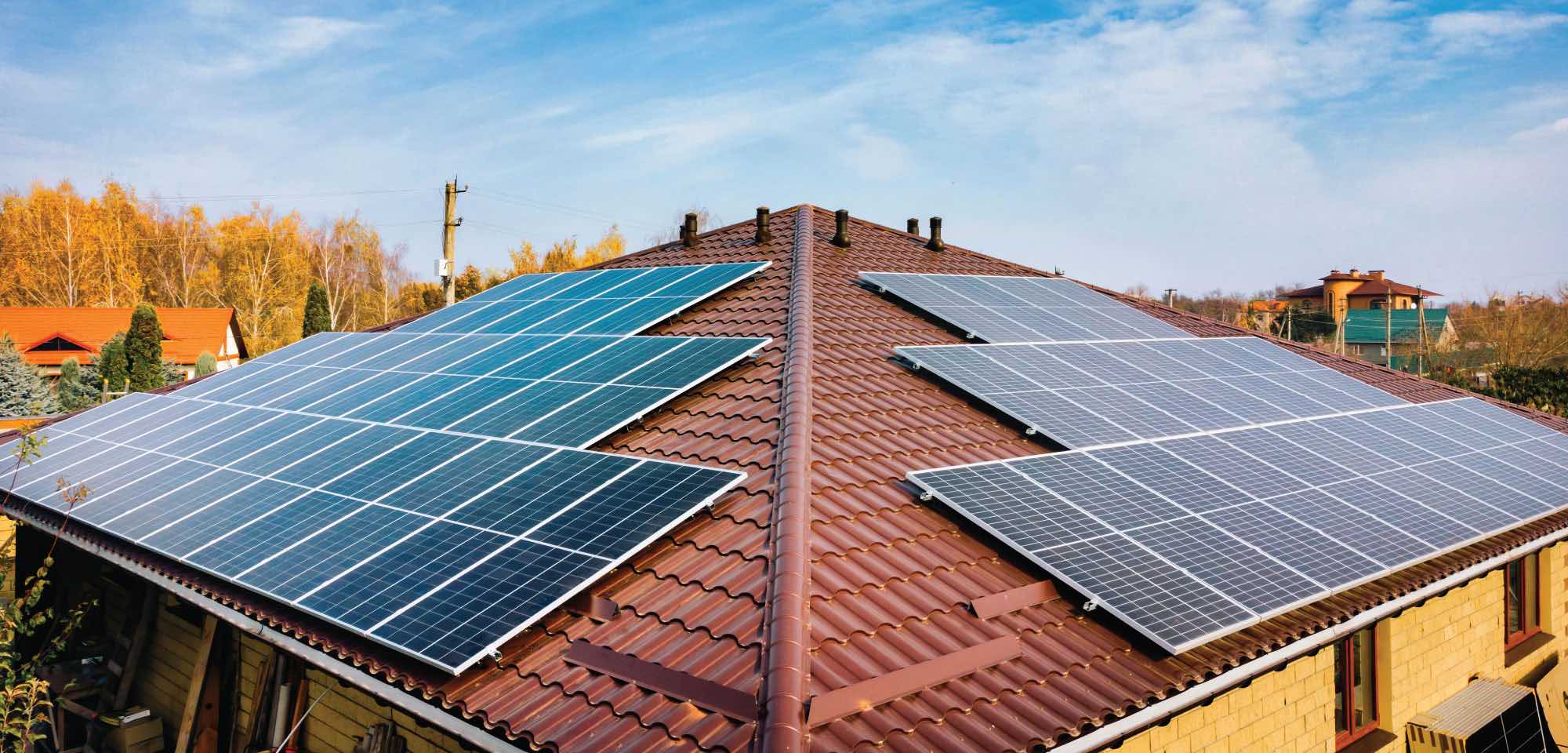
Most homeowners think of their house as a financial asset—but what if it’s quietly draining money instead? The truth is, your roof could be doing far less than it should. In today’s energy landscape, a high-performing home isn’t just about insulation or appliances—it’s about whether your roof is producing value or letting it slip away.
If you’ve ever wondered whether your home is truly efficient, these seven warning signs may reveal that your roof is working against you—and costing you more than you think.
1. Your Energy Bills Keep Climbing
Rising utility costs are one of the clearest signs your home is underperforming. If your monthly bills seem unpredictable or steadily increasing, your roof may be missing a major opportunity to offset those expenses. Instead of generating power, it’s simply absorbing heat and contributing to higher cooling costs.
2. Your Roof Gets Direct Sunlight Most of the Day
A sun-exposed roof is a missed financial opportunity if it’s not being used to generate energy. Homes in sunny regions—especially in places like Southern California—are perfectly positioned to convert sunlight into savings. Without that conversion, you’re essentially letting free energy go to waste.
3. Your Home Struggles to Stay Cool
If your air conditioning runs constantly during warmer months, there may be a bigger problem. Traditional roofing materials absorb and trap heat, increasing indoor temperatures and forcing your HVAC system to work harder. This not only raises your bills but also shortens the lifespan of your cooling system.
4. You Haven’t Upgraded Your Roof in Years
Older roofing systems are less efficient and often lack the structural optimization needed for modern energy solutions. If your roof is nearing the end of its lifespan, you may be spending money on repairs instead of investing in long-term savings.
5. Your Neighbors Are Going Solar
If homes around you are upgrading while yours isn’t, your property could be falling behind in value. An upgrade has become a desirable feature for buyers, especially as energy costs continue to rise. Staying stagnant while others improve can make your home less competitive in the market.
6. You’re Not Taking Advantage of Incentives
Many homeowners miss out on financial incentives designed to make energy upgrades more affordable. If your roof isn’t being used to generate power, you’re also missing potential tax credits and rebates that can significantly reduce upfront costs. That’s money left on the table—plain and simple.
7. Your Home Isn’t Building Long-Term Value
A home should do more than provide shelter—it should work for you financially. A passive roof offers no return, while an optimized one can contribute to long-term equity and savings. If your home isn’t evolving with modern energy solutions, it may be costing you more over time than you realize.
Why This Matters More Than Ever
Energy prices are unpredictable, and demand on the grid continues to grow. Homeowners who adapt are finding ways to stabilize their costs and gain more control over their finances. Meanwhile, those who delay often end up paying more in the long run.
It’s not just a structural feature—it’s a potential income generator, a cost reducer, and a long-term investment tool.
Turning Your Roof Into an Asset
The shift from passive to productive living starts at the top—literally. When your roof begins to generate energy instead of just sitting there, your home transforms from a cost center into a performance-driven asset.
The key is recognizing the signs early. If even a few of the indicators above apply to you, it may be time to rethink what your home is capable of. Ignoring the issue won’t stop the losses—it only extends them.
Final Thoughts
Your home should be working in your favor, not against you. If your roof isn’t contributing to your financial efficiency, it’s likely holding you back. The good news? Once you identify the problem, you can take steps to fix it—and start turning wasted potential into real savings.