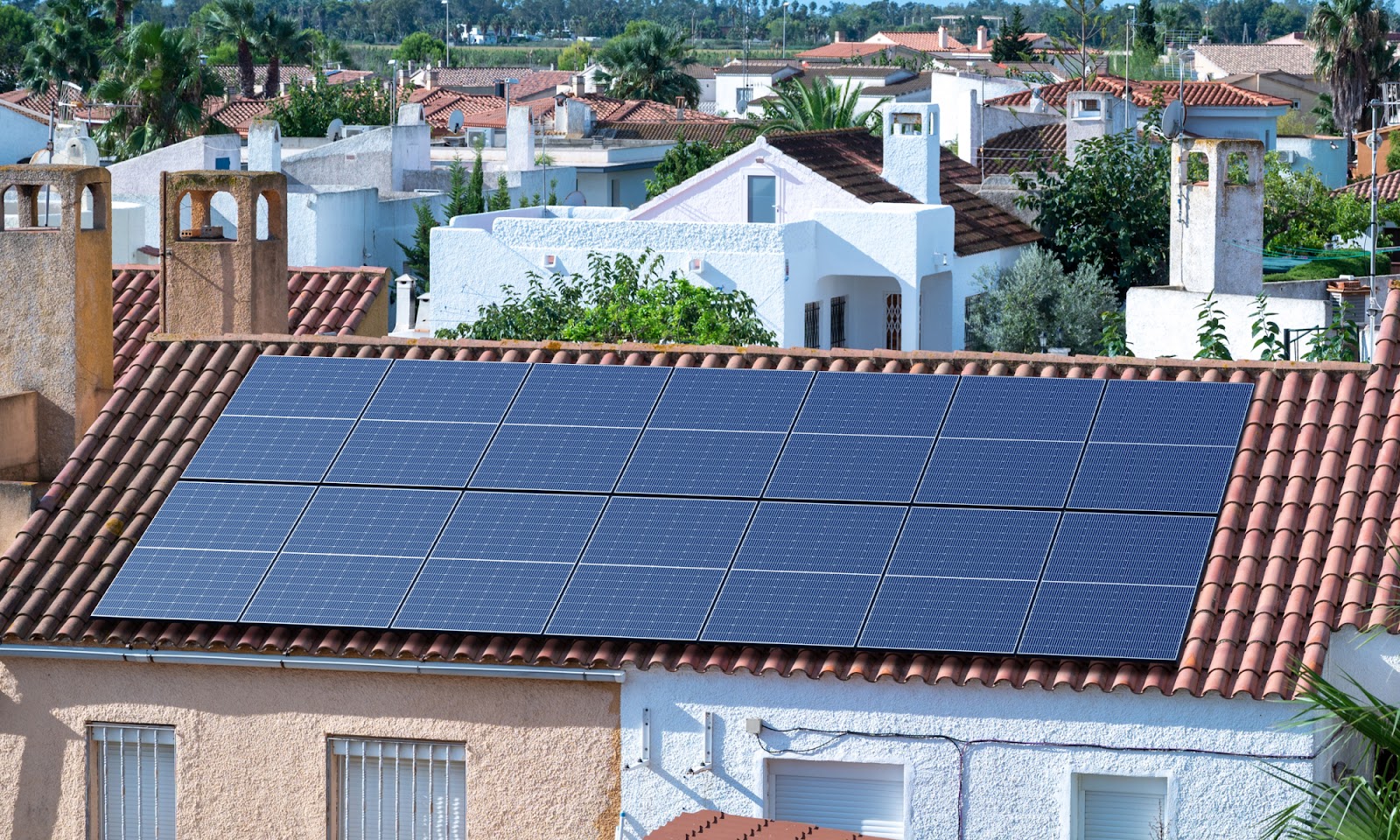

When homeowners invest in a solar system, there’s a common expectation: if two homes install the same number of panels with the same wattage, they should produce the same amount of energy. But in reality, that’s rarely the case. Even seemingly identical solar systems can perform very differently—and understanding why can help you make a smarter investment.
Let’s break down the key factors that influence solar performance and why no two systems are ever truly the same.
Solar Panel Placement and Roof Design Matter More Than You Think
One of the biggest factors affecting solar production is where and how the panels are installed. Two homes in the same neighborhood might have different roof angles, orientations, or layouts.
A south-facing roof typically produces the most energy, while east- and west-facing systems generate power at different times of the day. If one home has optimal sun exposure and the other has a less ideal angle, their solar output will differ significantly—even if the equipment is identical.
Roof pitch also plays a role. A steeper or flatter roof can change how much sunlight your panels receive throughout the year, directly impacting total production.
Shading Can Dramatically Reduce Solar Efficiency
Shade is one of the most overlooked factors in solar performance. Trees, chimneys, nearby buildings, or even power lines can block sunlight from hitting your panels.
Here’s the important part: solar panels are often wired in strings, meaning if one panel underperforms due to shade, it can affect the performance of others in that same string. While technologies like microinverters or power optimizers help reduce this issue, shading can still cause noticeable differences between two otherwise identical systems.
Even partial or occasional shading can lead to long-term production gaps.
Solar Equipment Choices Go Beyond Panel Wattage
Not all solar systems are created equal—even when the panels appear to be the same. The type of inverter used, for example, plays a major role in how efficiently energy is converted and used.
String inverters, microinverters, and hybrid systems all behave differently under real-world conditions. A home using microinverters may outperform another using a string inverter in shaded or complex roof situations.
Additionally, panel quality, degradation rates, and manufacturer differences can impact long-term output. Two panels rated at the same wattage today might not perform the same five or ten years down the line.
Installation Quality Can Make or Break a Solar System
This is the factor most homeowners don’t consider but it’s one of the most important.
The way a system is installed directly affects its performance. Poor wiring, suboptimal panel placement, or rushed installation work can all reduce efficiency. Even small mistakes—like improper spacing or poor cable management—can lead to energy loss over time.
A well-designed and professionally installed system will always outperform a poorly executed one, even if the equipment is identical on paper.
Environmental and Location Differences Impact Solar Output
Even homes that are close together can experience slightly different environmental conditions. Dust, air quality, temperature, and weather patterns all influence production.
For example, excessive heat can actually reduce panel efficiency. Likewise, areas with more dust or debris may require more frequent cleaning to maintain peak performance.
These small environmental variations add up over time and can explain why one system consistently outperforms another nearby.
The Bottom Line: Solar Isn’t One-Size-Fits-All
The idea that identical systems should produce identical results is a myth. Real-world performance depends on a combination of design, environment, equipment, and installation quality.
The key takeaway is this: customization matters. A properly designed system tailored to your home will always outperform a generic approach.
By understanding these differences, you’ll be better equipped to ask the right questions, choose the right installer, and ultimately get the most out of your investment.